NHS · Free tool
Your Mind Plan
A short NHS quiz with practical suggestions for stress, anxiety, sleep and feeling more in control.
For adults aged 18 or over. General wellbeing support, not a medical assessment.
Use at NHSGood reads.
Real support.
For men.
Health guidance · Licensed article
An NHS guide to understanding sleep problems, the things that can affect your nights and when to seek help.
In a hurry? Read the summary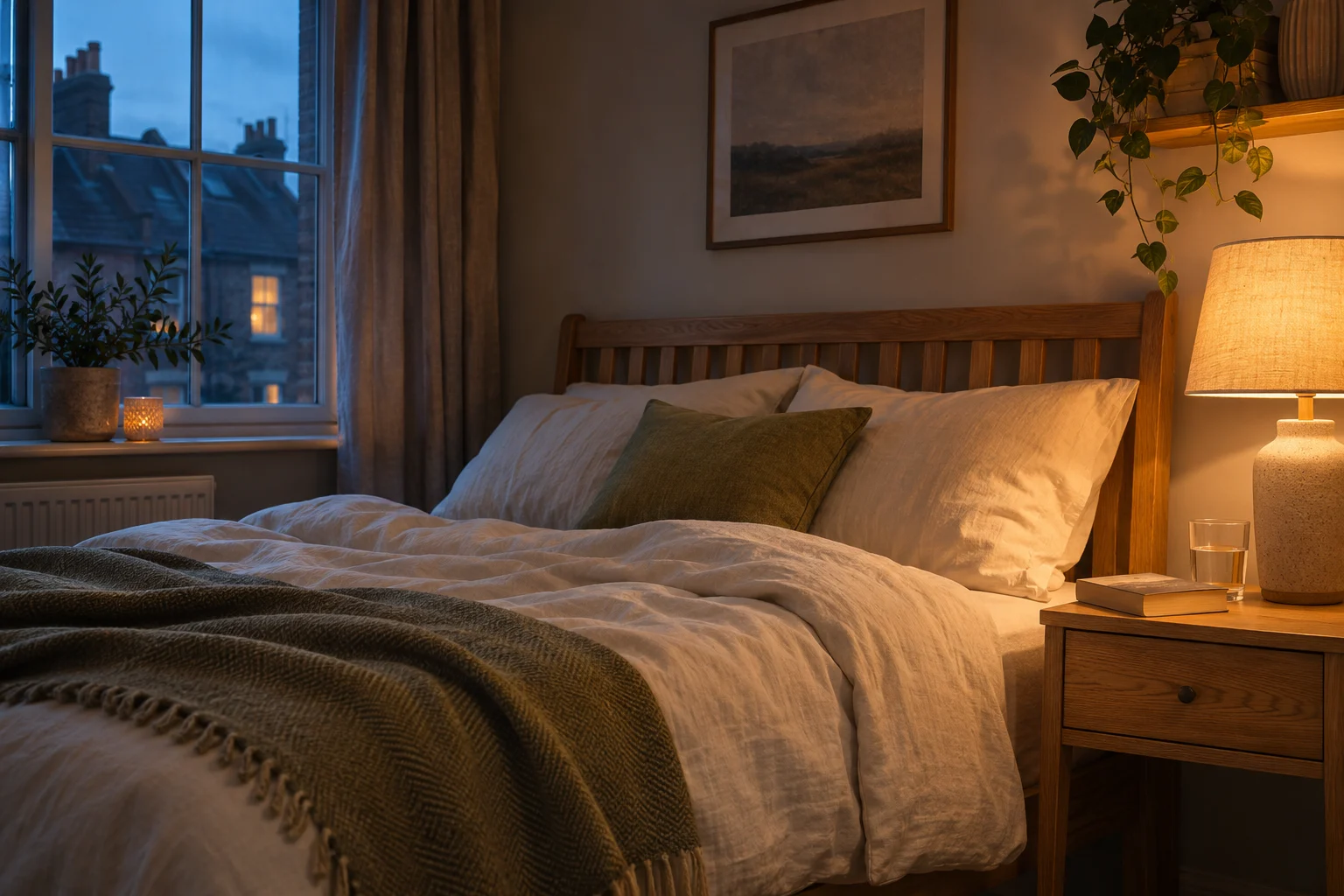
Created by MenApplause and checked automatically. This summary has not been clinically reviewed. Read the full article for detail and important advice.
Contains public sector information licensed under the Open Government Licence v3.0.
Sleep problems can be hard to cope with, especially when they start to affect your everyday life.
A few sleepless nights are usually nothing to worry about. But if poor sleep happens often, it can start to affect how you feel and get through the day.
In this guide, you can learn how much sleep you need, how to spot sleep problems and what can cause them.
Most healthy adults need around 7 to 9 hours of sleep a night, although the exact amount can be different for each person.
Your age, health and daily routine can all affect how much sleep you need. Children and teenagers usually need more sleep than adults.
How you feel during the day can help you know if you are getting enough sleep.
You may be getting enough sleep if you:
You may not be getting enough sleep if you:
Sleep problems can affect you in different ways. You may:
A few nights of bad sleep are usually nothing to worry about. However, if you regularly do not get enough sleep, you may feel tired, irritable or less able to cope.
Longer-term sleep problems can also make daily tasks feel harder. They may affect your mood, appetite, relationships and social life.
This is because sleep gives your mind and body time to rest and repair. Getting enough sleep can support your mood, energy, immune system and overall health.
Not getting enough sleep is sometimes called sleep deprivation or sleeplessness.
Many people have poor sleep from time to time. But if you regularly find it hard to fall asleep, stay asleep or wake up too early, you may have insomnia.
Insomnia can last for a short time, or continue for months or years.
Changing your sleep habits can often help. If this does not help, or you think you may have insomnia, speak to a GP.
Visit the NHS page on insomnia for more information.
Sleep problems can take time to improve, but small changes can help.
A regular routine can help your body get used to sleeping better. Try to go to bed and wake up at around the same time each day, and give yourself time to relax before bed.
There are also simple things you can try, such as making your bedroom more comfortable, avoiding caffeine late in the day and putting your phone away before bed.
Find out how to fall asleep faster and sleep better
If you want more guidance, watch sleep expert Professor Colin Espie explain simple changes that can help you get ready for sleep.
There are many reasons why you might not sleep well. There are also things that may help.
When you feel stressed or anxious, your body may feel more alert. Your mind may also be full of worrying thoughts.
What to do now
Learn a simple way to deal with worries that may be keeping you awake from our video: tackling your worries.
Noise, light, being too hot or cold, or an uncomfortable bed can make it harder to sleep.
What to do now
Watch this video on how to fall asleep faster and better to set your bedroom up for sleep success.
Drinks with caffeine, such as tea, coffee, cola or energy drinks, can keep you awake. Heavy meals or foods that are hard to digest can also affect sleep.
Alcohol is also not great for sleep. It can make you feel sleepy at first, but it can lead to poor sleep later in the night.
What to do now
The NHS recommends that you don't smoke or drink alcohol, tea or coffee at least 6 hours before going to bed.
Instead, try a warm milky drink or herbal tea.
If you're drinking alcohol during the week and would like to cut back, read our guide on how to drink less alcohol.
Some medicines can affect your sleep.
What to do now
Check the side effects listed in the leaflet included in your medicine box.
If you think your medicine may be causing sleep problems, speak to a GP or pharmacist.
As we get older, our sleep patterns can change. Some people may sleep less at night or doze during the day.
Menopause or perimenopause can also affect your ability to fall asleep and stay asleep. Night sweats can make this even worse.
What to do now
If you think you have symptoms of menopause or perimenopause, and want to know what your options are, contact your GP.
Visit our page on how to sleep better to get tips on setting up a good sleep routine, which can help if your sleep has changed as you've got older.
Shift work, travel, illness or other changes to your routine can affect your sleep pattern.
What to do now
When you are ready to sleep, watch our video on beditation to help you relax and get your mind and body ready for rest.
If you are not active during the day, your body may not feel ready for sleep at night.
What to do now
Try this home workout video to help you build up to 150 minutes of exercise a week, which is recommended for adults.
However, the NHS advises avoiding exercise in the 4 hours before bed, so try to be active in the morning or early afternoon instead.
Put your sleep first. Join our 6-week email programme for advice on things like setting up your bedroom for sleep, creating a wind-down routine and building habits that can help you get a better night’s rest.
Get tips and advice on helping others struggling with their mental health.
If you cannot wait to see a doctor and feel unable to cope or keep yourself safe, it's important to get support.
Answer 5 quick questions to get your plan with practical tips to help you deal with stress and anxiety, improve your sleep and feel more in control.
A practical next step
NHS · Free tool
A short NHS quiz with practical suggestions for stress, anxiety, sleep and feeling more in control.
For adults aged 18 or over. General wellbeing support, not a medical assessment.
Use at NHSOriginal MenApplause AI-created editorial illustration, 13 November 2026. Not an NHS image or a real case study. Imagery is illustrative and does not depict the source author or a real case study.
Health information is general and cannot replace advice from a qualified professional. Find support if you need someone to talk to.